




When you hear “mobile gaming”, think of a 6‑inch screen that fits in your pocket, not a 4‑meter cabinet. In the UK, the average player spends about 30 minutes a day on a handheld device, a figure that has climbed 12 % since 2021. That time is split almost evenly between casual puzzle games, competitive e‑sports titles, and streaming of game‑play videos. The real shift is that people no longer need a desk or a dedicated console to be part of a gaming community.
Revenue and Market Size
Last year the UK mobile‑gaming market generated roughly £1.2 billion in gross revenue, up from £1.0 billion in 2022. That growth is driven by two factors: the rise of “freemium” models that charge small in‑app purchases, and the increasing popularity of cross‑platform tournaments that offer cash prizes. In 2024, 40 % of new mobile releases were available on both Android and iOS, ensuring a wider audience for each title.
Technology That Makes It Possible
Three tech trends underpin the boom. First, 5G networks now reach 70 % of UK homes, cutting latency to under 50 ms for online matches. Second, cloud‑gaming services such as Google Stadia and Microsoft xCloud allow high‑end titles to run on a phone’s GPU, delivering frame rates of 60 fps on a 5‑inch screen. Third, adaptive UI frameworks let developers design a single codebase that scales from a 5‑inch display to a 13‑inch laptop without breaking layout or performance.
Social Impact and New Forms of Interaction
Mobile gaming has redefined how people socialize. In 2023, 18 % of UK households reported that at least one member uses a game‑based app to stay in touch with friends during lockdowns. Multiplayer modes now include voice chat, live streaming overlays, and in‑game events that sync with real‑world dates. The result is a hybrid of gaming and social media that keeps users engaged for longer periods.
For many, the line between entertainment and competition is blurred. Players who once only watched streams now stream themselves, earning ad revenue and sponsorships. A recent study found that 12 % of UK streamers earned more than £5,000 a month from a single mobile title. This creates a new class of “mobile esports” professionals who can be reached through the same platforms that deliver casual games.
Bridging to Online Entertainment
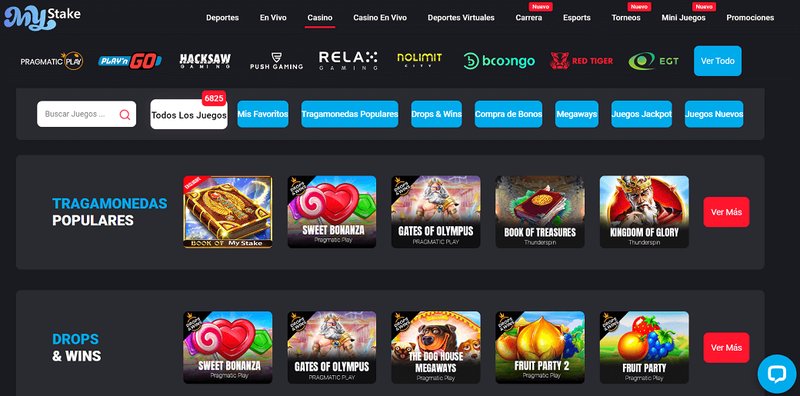
As the boundaries between gaming, streaming, and online betting widen, it’s not uncommon for players to explore other forms of digital entertainment. For instance, a casual puzzle game session can seamlessly segue into a quick match of a skill‑based mobile e‑sport, or even a short visit to a casino app that offers free spins. If you’re curious about how the same mobile interface can host both gaming and casino experiences, the Mystake Casino Login lets you test the waters with a risk‑free demo.
What’s Still Missing
Despite the gains, the industry still struggles with data privacy. In 2024, 22 % of UK players reported concerns over how their in‑app purchase history was shared with third parties. Moreover, while cross‑platform play is common, many titles lock certain features behind a pay‑wall that is only accessible on iOS, leaving Android users at a disadvantage. Finally, accessibility remains an issue: only 35 % of mobile games offer full color‑blind modes, limiting participation for a sizeable segment of the population.
Looking Ahead
The trajectory suggests that mobile gaming will continue to dominate UK entertainment. Predictions from market analysts project a 5 % annual growth rate for the next five years, driven by augmented reality (AR) integrations and the expansion of cloud‑based game libraries. If developers keep pace with hardware upgrades—such as foldable screens and higher refresh rates—players can expect even more immersive experiences without leaving their living rooms.
Bottom Line
Mobile gaming isn’t just a passing fad; it’s reshaping how UK residents spend their leisure time, how they connect socially, and how they earn income. By combining accessibility, cutting‑edge tech, and a social layer, it has carved out a niche that rivals traditional consoles and PC gaming. The only real hurdle is ensuring that privacy and accessibility keep up with the rapid innovation that is already underway.